What to Expect at Your First Model Test Shoot
Almost every model's career begins not with a runway, but with a quiet afternoon in a studio: her first test shoot. It is the moment a new face stops being a few phone photos and becomes a real set of images an agency can show. If you have just been scouted, or you are about to apply, the words "test shoot" or "model test" can sound intimidating. They should not. A test is collaborative, low-pressure, and built entirely around helping you look your best. This guide explains exactly what a model test is, how to prepare, and how the day unfolds, so you can walk in calm and walk out with images you are proud of.
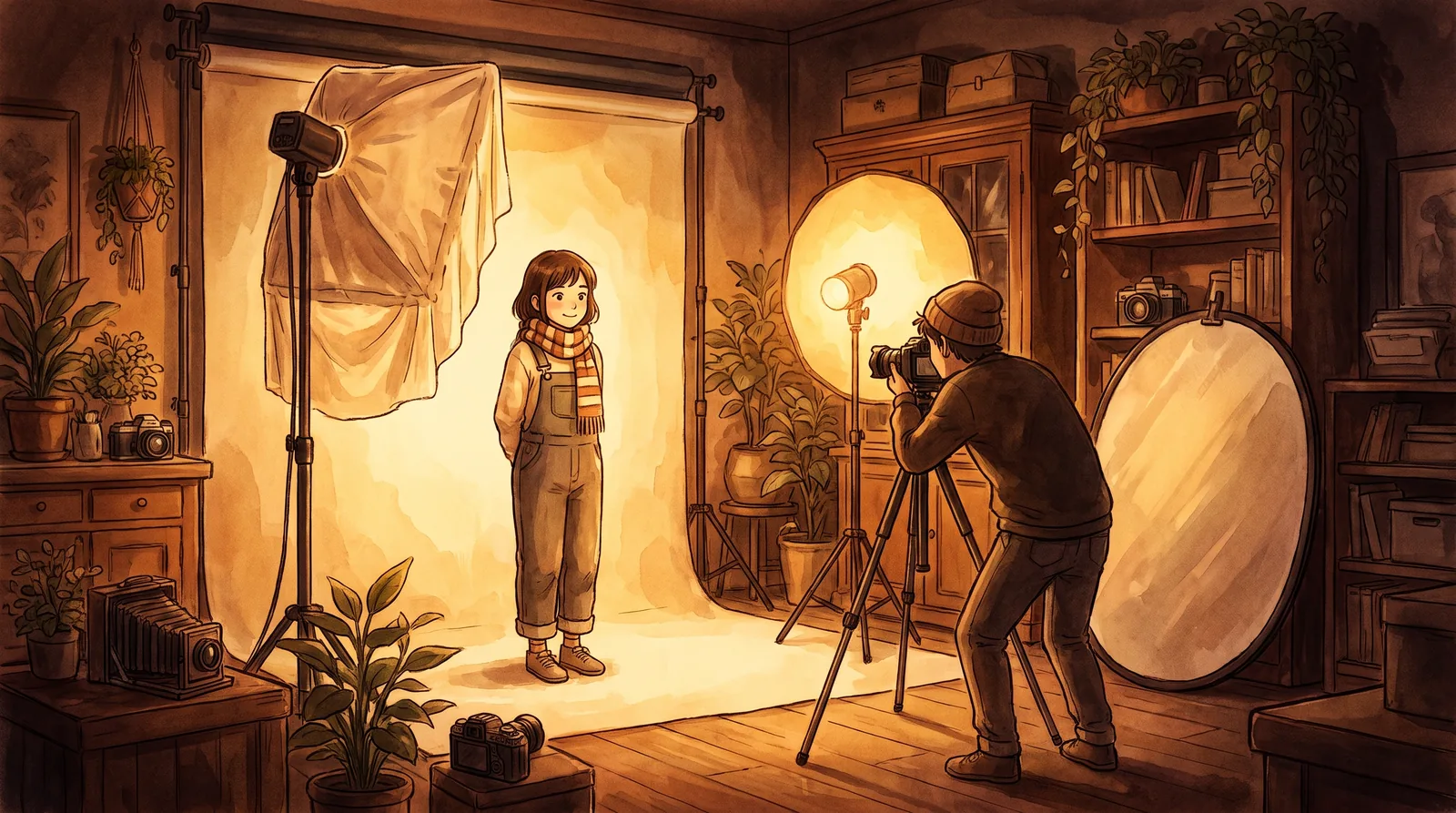
What a test shoot actually is
A test shoot (often called a "model test" or simply "a test") is a photoshoot arranged to develop a model rather than to sell a product. There is no client and no campaign to satisfy. The only goal is to capture clean, honest images that show who you are: your face from several angles, your natural expressions, your proportions, and how you move in front of a camera.
For a new face, the test does two jobs at once. It gives the agency professional digitals and first portfolio frames to send to clients, and it gives you experience: your very first reps at being photographed properly. Everyone on set knows it is your first time. Nobody expects a finished supermodel, they expect a real person willing to learn.
How a test differs from a casting or a paid job
It is easy to confuse the three, so here is the simple version:
- A casting is a short meeting where a client or agency looks at you in person, usually a few minutes, sometimes a quick photo or walk. Our guide covers castings in detail.
- A test shoot is a full photo session, often an hour or two, focused on building your images, not on choosing you for a specific job.
- A paid booking is real work for a client who pays for your time, which a strong test helps you get later.
A good agency arranges and guides your first test for you. Representation with us is always free, and a genuine test is part of developing you, never something you are asked to pay for.
How to prepare in the days before
The camera reads small details, so the best preparation is calm and clean rather than dramatic. In the two or three days before your test:
- Sleep and hydrate. Rested skin and bright eyes do more than any product.
- Keep skin and hair simple. No new treatments, harsh peels, or fresh haircuts right before, the agency wants to photograph the real you.
- Bare, neat nails. Short and natural, or a clean clear coat. Loud colours date the photos.
- Arrive with a clean face. For most first tests you come with little or no makeup, moisturised skin and brushed hair. If a makeup artist is on set, they will work from a fresh base.
What to bring with you
You do not need a wardrobe. The classic test look is deliberately plain so the focus stays on you. Pack a small bag with:
- A fitted plain top and well-cut jeans, in neutral or solid colours, nothing with large logos or busy patterns.
- Simple underwear in a nude tone for clean lines under clothes.
- A pair of plain heels and flat shoes.
- Water, a light snack, and your phone, plus a guardian if you are under 18.
Your agency will tell you in advance if anything specific is needed. When in doubt, simpler is always safer.
How the day actually unfolds
A first test is usually unhurried. You arrive, meet the photographer and anyone assisting, and chat for a few minutes, this is on purpose, to help you relax. If there is hair and makeup, that comes first and is kept light and natural.
Then you shoot in short sets: often a clean beauty close-up of your face, a few three-quarter frames, and full-length shots that show your proportions. The photographer will direct you constantly, where to look, how to turn your shoulders, when to soften your face. You are never expected to know poses in advance. Most tests last one to two hours, with small breaks, and the mood is closer to focused play than a stressful exam.
How to pose and feel at ease
The single biggest thing that separates a flat photo from a great one is ease, not beauty. A few gentle habits help enormously:
- Breathe and move slowly. Shift between small poses rather than freezing, the photographer catches the best frames in the in-between moments.
- Relax your jaw and forehead. Tension is the most common thing that shows up on camera.
- Listen and adjust. Treat every direction as a hint, not a correction. Photographers love a model who tries.
- Let real expressions through. A soft, genuine look beats a forced smile every time.
Feeling awkward at first is completely normal, even seasoned models do. It eases within the first few minutes.
What happens next
After the shoot, the photographer edits a small selection, and your agency uses the best frames as your digitals and first portfolio to introduce you to clients. From there, the real work begins. If you would like an honest look at where you stand, our applications are always open and a real person replies within seven days.